
Active Feedback Mastery: Proven Systems to Request, Process and Apply Workplace Advice
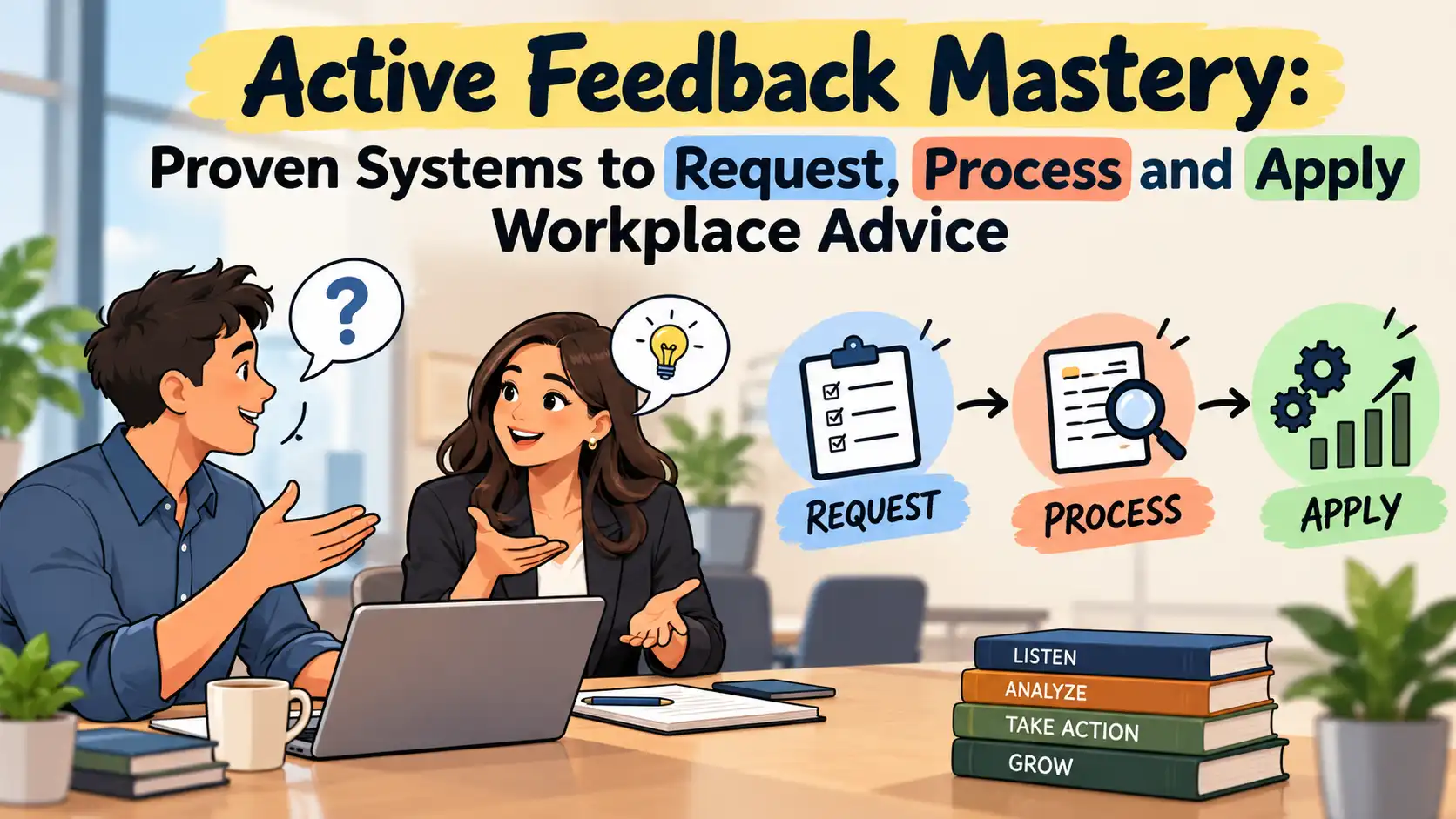
Asking for input on your performance is one of the fastest ways to build new skills and advance your career. Research shows that employees who actively ask for constructive advice score higher in performance reviews and adapt to new workplace roles much faster than those who wait for annual reviews. Furthermore, corporate surveys indicate that over 65% of workers want to receive more input from their managers, yet fewer than 30% feel that the advice they receive is specific or actionable. Simply asking for general thoughts often yields vague praise that does not help you grow. Learning how to request targeted insights, manage emotional reactions, and apply structural changes transforms simple opinions into a powerful driver of long-term success.
High-Stakes Career Growth and the Casino Dynamics of Workplace Feedback
Requesting feedback without a clear strategy often feels like playing a game of chance at a LuckyRollers. You step up to the table, roll the dice with a vague question, and hope to win valuable advice that boosts your career. However, leaving your professional development to luck rarely pays off. When you ask open-ended questions like “How am I doing?”, managers often give safe, polite answers to avoid awkward conversations. You must take control of the interaction, ask specific questions, and stack the odds in favor of real, actionable growth.
Strategic Feedback Metrics and Action Plan
| Feedback Stage | Industry Benchmark | Key Objective | Recommended Action |
| Request Timing | Within 24–48 Hours | Immediate Context | Request input right after completing a major project or presentation. |
| Question Focus | 1 Specific Area | High Actionability | Ask about a single, clear skill rather than overall job performance. |
| Processing Time | 24-Hour Buffer | Emotional Balance | Review notes calmly before taking action to avoid defensive reactions. |
| Follow-Up Cadence | Every 30–60 Days | Continuous Improvement | Share progress updates with your reviewer to show real development. |
By tracking these critical points, you ensure that every conversation leads to clear, measurable improvement in your daily work.
Core Strategies to Request Useful Input
Getting useful advice requires framing your requests so that people feel comfortable offering honest, constructive criticism.
Focus on Specific Performance Areas
Vague questions invite vague answers. Instead of asking for general impressions, narrow your request to a single task or behavior. For example, ask your manager how you can improve the structure of your slide decks or how you can make your meeting summaries more concise. Specific questions show that you care about quality and make it easy for colleagues to give precise, helpful suggestions.
Choose the Right Moment and Medium
Timing plays a major role in the quality of the advice you receive. Do not catch managers off guard in hallways or ask for detailed critiques right before major deadlines. Schedule a brief ten-minute meeting or send a clear written message detailing what you want to discuss. Giving your reviewer time to think beforehand leads to far deeper and more useful insights.
Effective Methods to Process and Apply Guidance
Receiving constructive input can be challenging, but managing your reaction is key to making the most of it.
Manage Initial Emotional Responses
It is completely natural to feel defensive when someone points out areas where you fell short. However, arguing or making excuses during the conversation stops reviewers from being candid with you in the future. Listen quietly, take detailed notes, and thank the person for their time and honesty. Take a day to process the information objectively before deciding on your next steps.
Turn Observations into Actionable Steps
Once you have reviewed your notes calmly, break down the suggestions into concrete, measurable tasks.
- Categorize the Advice. Divide notes into immediate quick fixes, long-term skill goals, and structural workflow changes.
- Draft an Action Plan. Create a clear list of daily or weekly tasks designed to address the specific areas for improvement.
- Seek Necessary Tools. Request training, software tools, or mentorship if you need support to make the required changes.
- Schedule Progress Checks. Circle back with your reviewer after a month to demonstrate how you have implemented their advice.
Long-Term Habits to Build a Continuous Feedback Loop
Integrating advice into your routine ensures that learning becomes an ongoing part of your career journey.
Build Trust Through Consistent Application
The best way to encourage colleagues to give you honest advice is to demonstrate that you actually use it. When teammates see that you listen and adjust your work based on their suggestions, they respect your professionalism and invest more time in your growth. Showing steady effort builds strong professional relationships and opens doors for future advancement.
Create a Personal Growth Journal
Keep a dedicated digital file or notebook to record all the constructive guidance you receive throughout the year. Reviewing these entries regularly helps you spot recurring patterns in your work style, measure long-term progress, and prepare strong talking points for annual performance reviews. Tracking your journey turns simple advice into a clear map for career achievement.